Senior Technical Systems Designer / Senior Technical Game Designer


Senior Technical Systems Designer
Stay: Your Forever Pet is exploration adventure crossed with cozy pet simulation where you explore an ever-shifting network of floating islands with your canine companion named Ember.
Studio | Windup Minds
Role | Senior Technical Systems Designer
Duration | 2026
Team Size | 10+
Languages | C#
Tools | Unity, Spreadsheets, Miro, Notion, Gitlab
Platforms | PC, Steam Deck
Stay: Your Forever Pet released on Steam Early Access July 2026
❖ 16k wishlists at launch

About:
When Windup Minds decided to make a Stay game for Steam, we only had 4 months to turn our VR game into a PC game for Steam.
I took charge of the prototyping and gameplay design effort to create mid and long-term game loops, integrating both systems that we had built for the VR title of Stay and new systems, to extend Stay: Your Forever Pet's play time by 800% from just 20 minutes to over 180 minutes.
My Role:
As a Senior Technical Game Designer and Lead Systems Designer on Stay: Your Forever Pet, I primarily:
In addition, I also:
-
Conducted 1-on-1 playtests and organized community playtests with detailed instructions, questions, and post-playtest analysis.
-
Worked with leads to plan production week-by-week to ensure the game would ship on time and at quality.
-
Closely communicated with designers, artists, and audio to ensure all content can be integrated within our tight schedule.
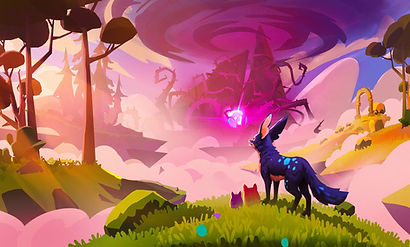

> Here are a few examples of my work on the project. <
1. Prototyped, playtested, and iterated core session structure
Problem: we needed to increase play time compared to the VR version, and in order to do that we needed to make drastic changes to the core structure of the game.
Day-Night Expedition-based In-Game Structure
I devised a structure for the game that would keep players invested for longer using mid and long term game loops.

Trials loop:

Trials Paper Prototype
In ~3 days, I created a paper prototype modelling the day->trial->night->sleep session loop and playtested it with 5+ external players.


Trial 1 Prototype in-engine
The first prototype I designed was idler/auto-battler inspired, where you prepare and send your pet to try to beat the 'Trial.'
This proved to be too lacking of player input and choice and very predictable and boring to watch more than 2-3 times.


More Interactive Expedition Structure and Map
Using roguelites as an example, I tried randomizing checkpoint nodes to add a layer of decision-making and replayability.
I kept this prototype contained all within the map UI, to get fast playtest feedback fast on the structure.


3D Map Traversal with Placeholder Checkpoints
The structure of Expeditions was engaging players enough, but required a lot of imagination. As the next step, I greyboxed and programmed the expedition environment that the player and ember would be traversing through.


The Final Expedition Look and Feel
To keep level design and performance manageable, checkpoints were split into chunks that would be connected by floating islands and portals, rather than 1 large level.


2. Owned and balanced all economies and progression systems
I looked to RPG conventions such as stat growth, itemized gear, and resource-gated crafting as the foundation for Stay's progression, then adapted them to fit a cozy pet-sim tone.
Crafting Costs, Creature Stats, Bond, and Accessories
I tuned resource costs for all the accessories' crafting recipes, the stats they give, bond costs, and unlock timing.


Expedition Checkpoints
I tuned resource spawns, target stats for each checkpoint, obstacles, etc to match targets for in-game days.


Meals and Cooking
As an alternate resource sink for food resources, I quickly prototyped and implemented cooking and all the recipes. I tuned resource groups, resource costs, and flavor/tag combinations that would be tied to the pet's preference.


I created tsv importer tools for meals, crafting, and expedition checkpoints, so iterating would be as easy as changing values in the sheet, exporting it, and pressing the import button in the unity tool.
3. Authored 20 unique levels
Using spline tools, a Unity terrain plugin called Microverse, and existing environment models in the project, over the span of just 2 weeks, I created and finalized levels for most of the Expedition checkpoints, including the End Goal 'boss' checkpoint.
I did quick drawovers on where the entrances, paths, treasures, and exits would be, so that my lead artist could keep those in mind while set-dressing.


After the level was locked-down visually, I took a cleanup pass afterward to fix terrain incongruities, collisions, and nav meshes. Finally, I added all the remaining random encounters, resource/treasure spawns, Mossling spawns, obstacles, etc. I made several tuning passes based on playtest feedback as time allowed to address balance and guidance issues.


4. Designed and implemented Objectives
I noticed in playtests that many players were not playing much past the first expedition run. So I wanted to add objectives to guide players on what to do next, and progress bars for completionists and collectors to chase after everything the game had to offer.
Using C#, I not only designed the objectives and journal entries' content, but also programmed the objectives system into the game entirely by myself.


The objectives popups initially were overwhelming, so I tuned the timing of when and where they are unlocked.